

01 /What it is
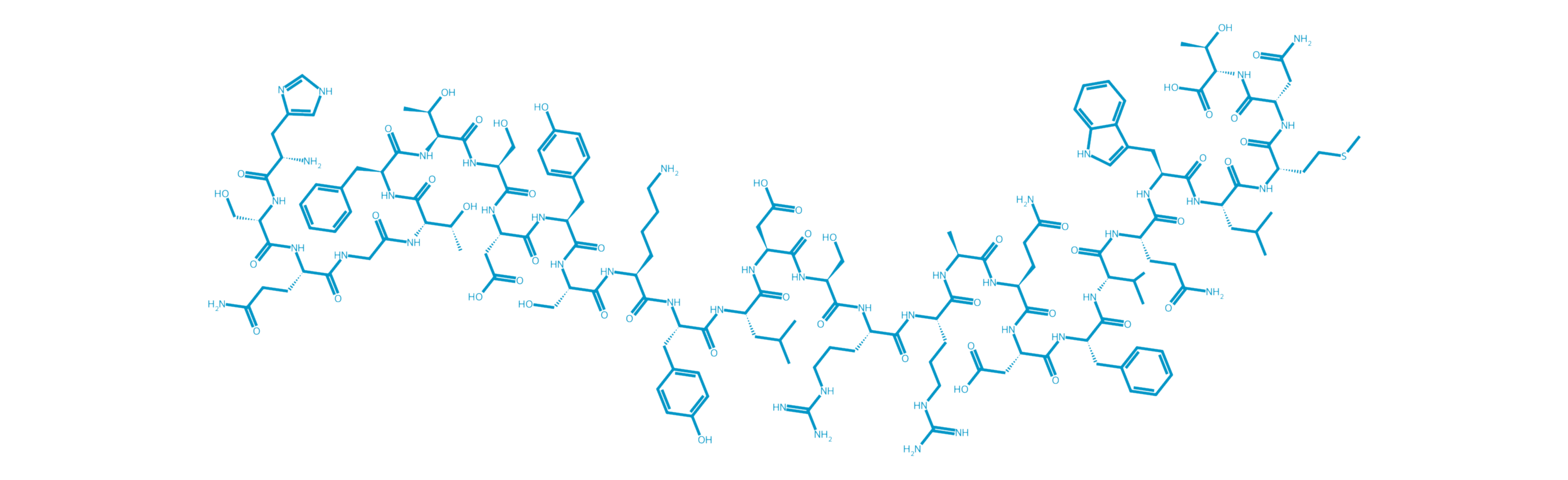
Glucagon is a 29 amino acid peptide hormone produced by the alpha cells of the pancreatic islets and first isolated in the 1920s. It is studied as a research compound at the glucagon receptor and is the foundation of the broader glucagon family that includes GLP-1, GLP-2, GIP, and the dual and triple agonists under active development.
02 /How it works
In research models, Glucagon binds the glucagon receptor on hepatocytes and signals through adenylate cyclase to drive glycogenolysis and gluconeogenesis, raising blood glucose. The receptor is studied in counter regulatory research to insulin and in the dual and triple incretin agonist research that includes Tirzepatide and Retatrutide.
03 /What researchers explore it for
Researchers have explored Glucagon in glucose handling research, in glucagon receptor pharmacology research, and in incretin family combination research.
04 /Safety and interactions
Glucagon is for laboratory research use only and is not for human consumption. Not medical advice. Not intended to diagnose, treat, cure, or prevent any disease.
05 /Research notes
Peptide family: glucagon family, parent peptide. Frequently compared with GLP-1 receptor agonists in counter regulatory research and with Retatrutide in triple agonist research. The Apothify library lists Glucagon for encyclopedia coverage only.
Related peptides
Liraglutide · Semaglutide · Tirzepatide · Retatrutide